Vaughan has a lot of large, recently built homes, and their owners often assume that new and expensive means warm. Then the first January heating bill arrives, or the bonus room turns out to be unusable in winter. The problem is rarely the furnace. It is a handful of assumptions about insulation that do not hold up.
Here are six of them, and what to do about each.
Myth 1: A newer house does not need more attic insulation
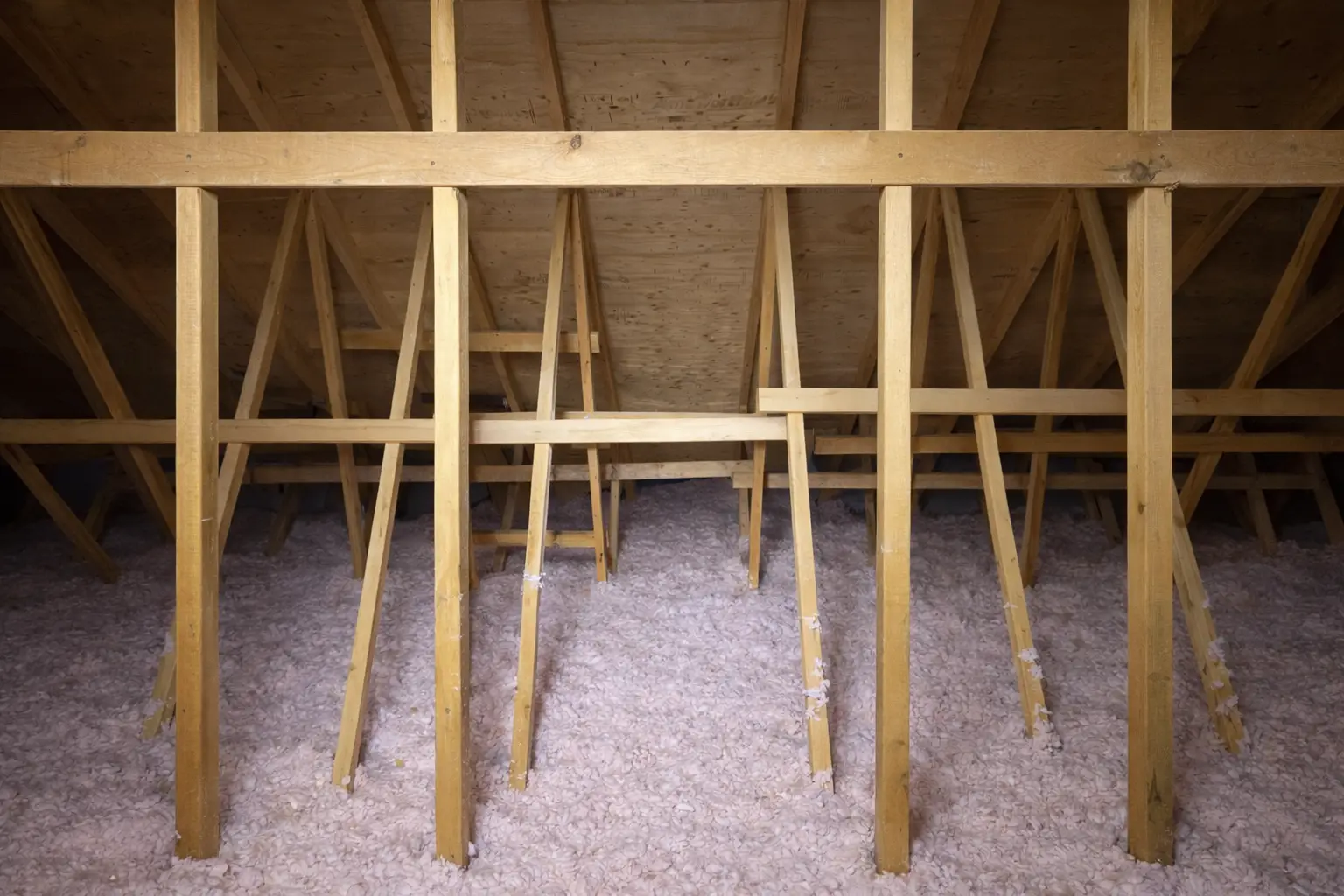
A house that met the minimum on the day it was built can still fall short of what keeps it comfortable. Loose-fill can settle, and trades working in the attic after the insulators leave often disturb it. See why brand new does not always mean properly insulated and fast is not the same as well insulated.
What to do: check the depth from the hatch using this guide. If it is low or uneven, a top-up through our attic insulation service in Vaughan with cellulose or fibreglass solves it.
Myth 2: A bigger furnace is the answer
More heat does not help if the house cannot hold it. Larger homes have more ceiling and more roofline to lose heat through, as we explain in why big homes cost so much to heat.
What to do: reduce the loss first. Insulation and air sealing are a one-time cost. Fuel is a monthly one.
Myth 3: Insulation stops drafts
Insulation slows heat moving through it. It does not stop air moving around it. Natural Resources Canada’s Roofs and attics guide says attic air leaks at chimneys, vents, plumbing pipes and electrical boxes can account for substantial heat loss.
What to do: air seal the attic floor before adding insulation. For the whole house, look at AeroBarrier.
Myth 4: More insulation means you can close up the vents
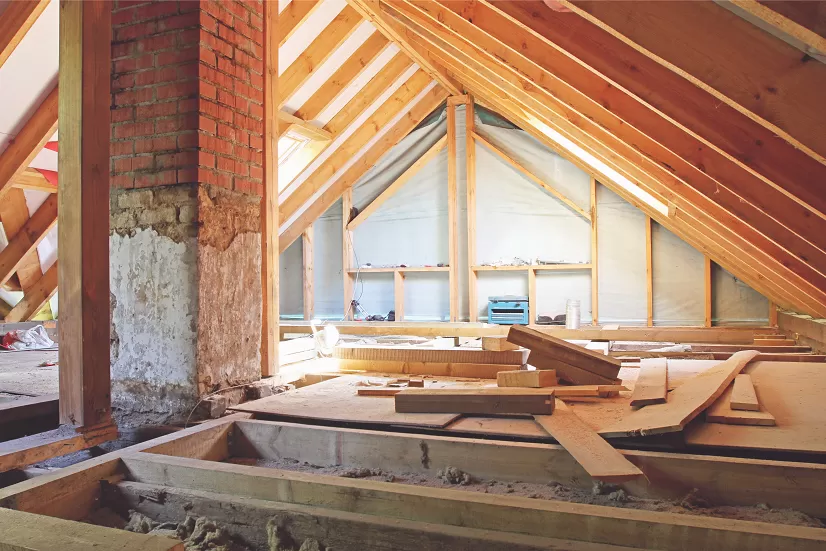
The opposite is true. A better-insulated attic is colder, so moisture that reaches it condenses more easily and has to be vented out.
What to do: keep soffit vents open with baffles. If moisture has already caused damage, see attic mould and insulation removal in Vaughan and our removal service.
Myth 5: The attic is the only place that matters
Natural Resources Canada points out that basements and uninsulated walls can lose more heat than a typical attic. In a large two-storey house, the room over the garage and the rim joist are frequent weak points.
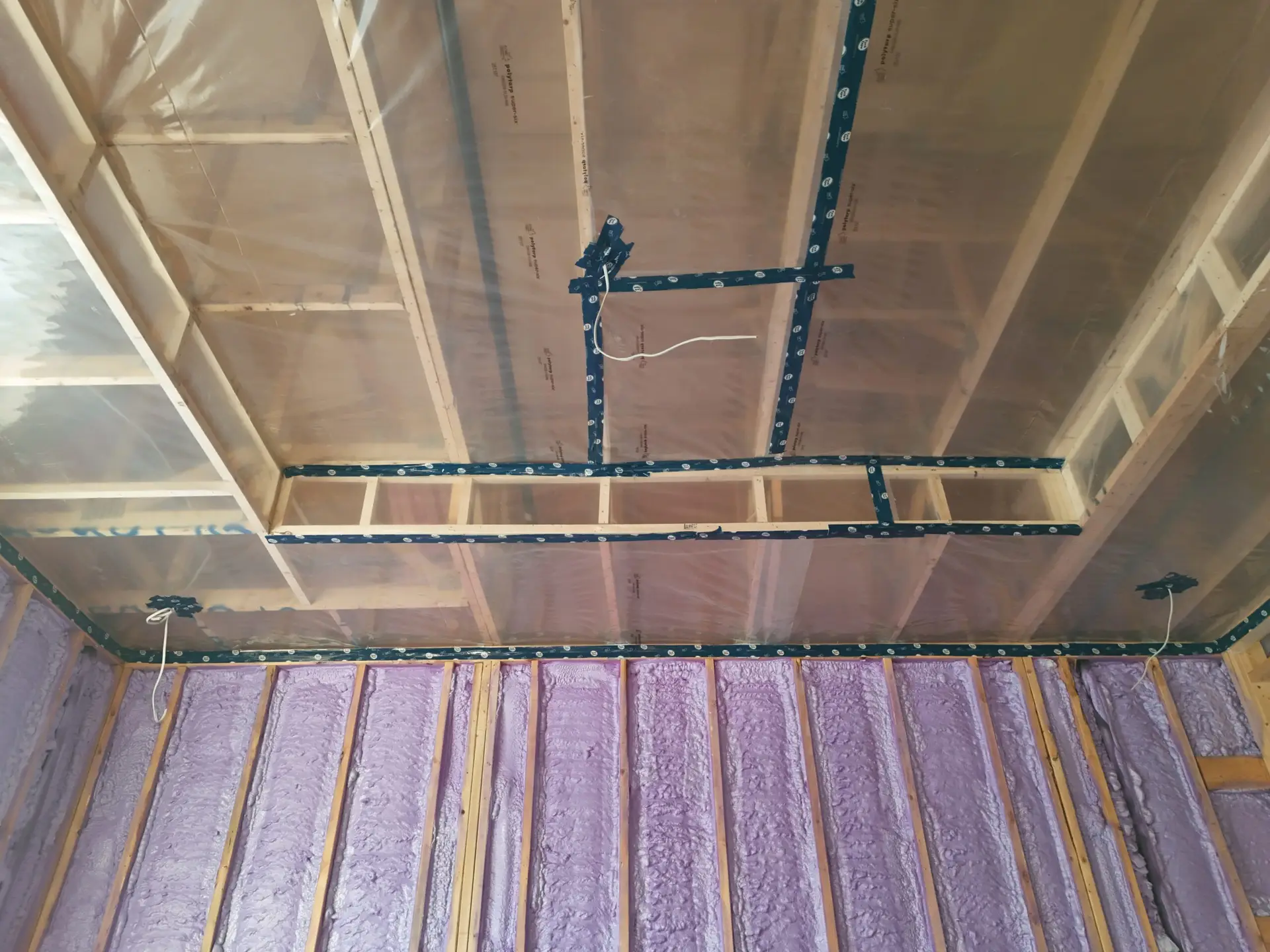
What to do: treat the garage ceiling, and use spray foam insulation at rim joists and cantilevers. If you are building or adding on, decide on spray foam now, while the framing is open.
Myth 6: It will never pay for itself
The U.S. EPA estimates that homeowners save an average of 15% on heating and cooling costs by air sealing and adding insulation in attics, floors over crawl spaces and basements (ENERGY STAR). That figure is a modelled average for typical U.S. homes, so do not treat it as a quote. Rebates through Ontario’s Home Renovation Savings Program can shorten the payback further.
What to do: read our post on the insulation rebate in Vaughan and the energy rebate page, and confirm current amounts before you plan around them.
The short version
New does not mean finished. Check the attic, seal it, vent it, top it up, then look at the garage ceiling and the basement. Contact us for an estimate and we will tell you which of these applies to your home.